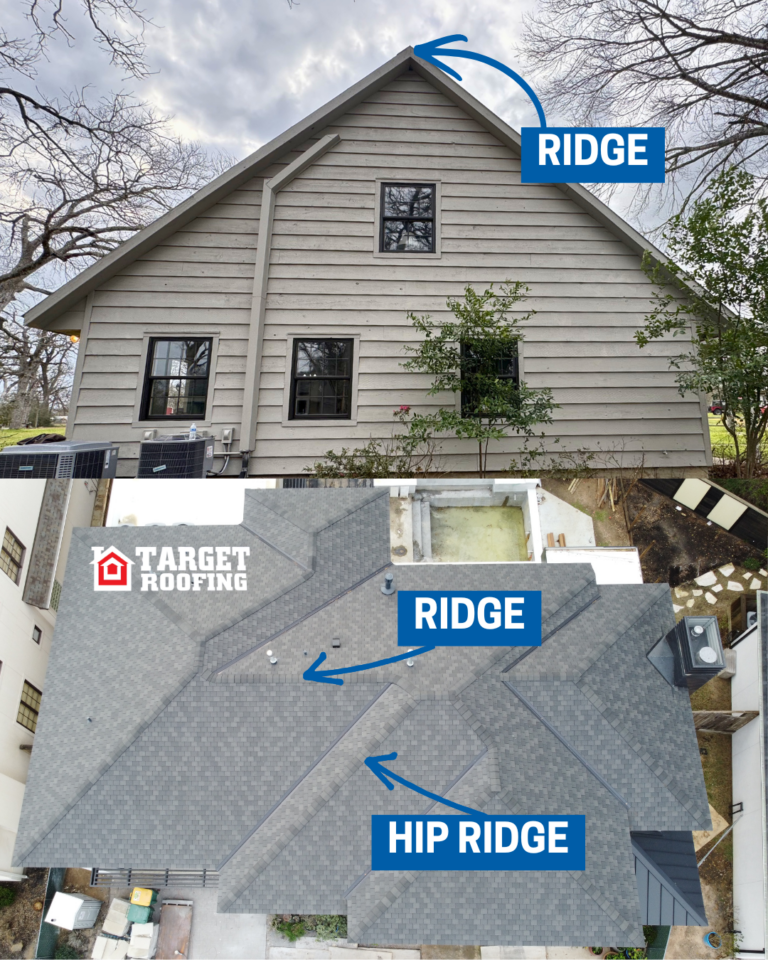

So you’re standing in the front yard with your roofer and he is describing the parts of your roof that need repairing. In your mind you’re asking yourself “What are the eaves? Which one is a rake? Why is that a hip roof?” Understanding the different parts of your roof—and how water moves across them—is one of the most valuable things a homeowner can learn, especially in storm-prone areas like Houston, and the small towns between Houston and the Texas Hill Country. When severe rain hits, your roof becomes a carefully engineered drainage system, guiding water from the highest ridge all the way down to gutters and ground level. Knowing where water is supposed to flow (and where it shouldn’t) helps you spot issues early, prevents leaks, and makes you more confident when inspecting your home or planning seasonal decorating projects.
If you are building a new home or making repairs to your current home it is important for your architect or builder to consider the flow of water off of your home to keep it from gathering or running heavily down certain areas. You can always give us a call for a consultation on the architecture of your roof and what improvements could be made to preserve the life of the materials on your roof and your investments inside.
This guide breaks down the major roof components in plain language and explains how each one affects water flow and long-term roof performance.
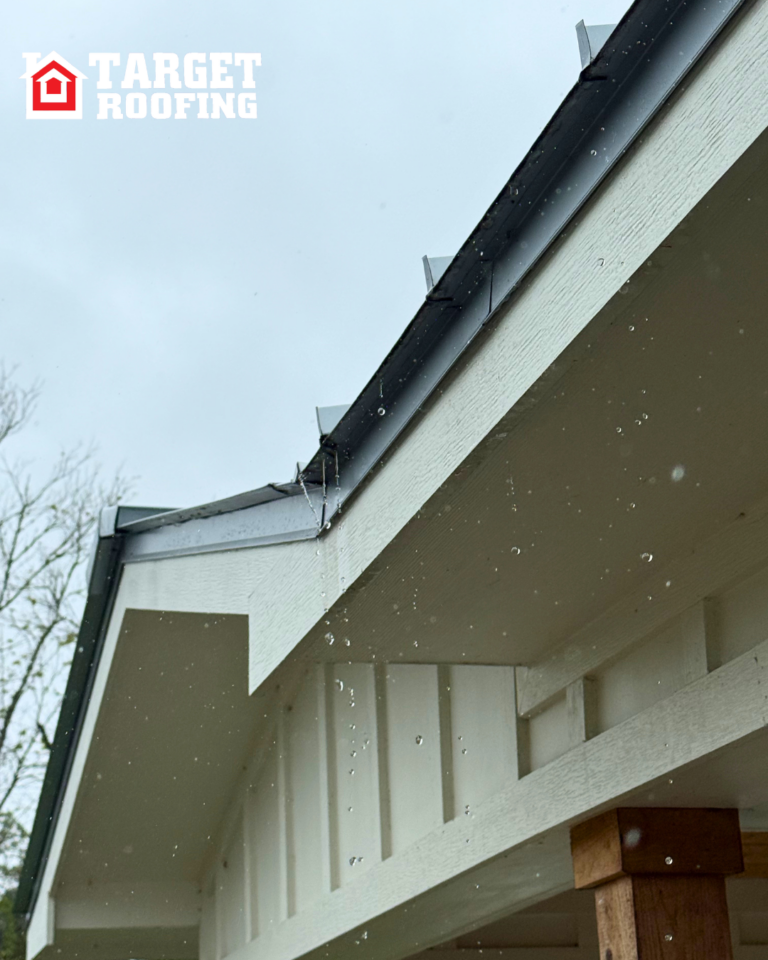
1. Ridge — The Starting Point Where Water Splits
The ridge is the very top horizontal line of the roof — the peak.
Water doesn’t flow off the ridge; instead, it splits and flows down both sides of the roof from this high point.
Think of it like the spine of a mountain: rain falls on either side and drains away from the center.
Water flow behavior:
Water sheds equally down each sloped plane that meets at the ridge.